
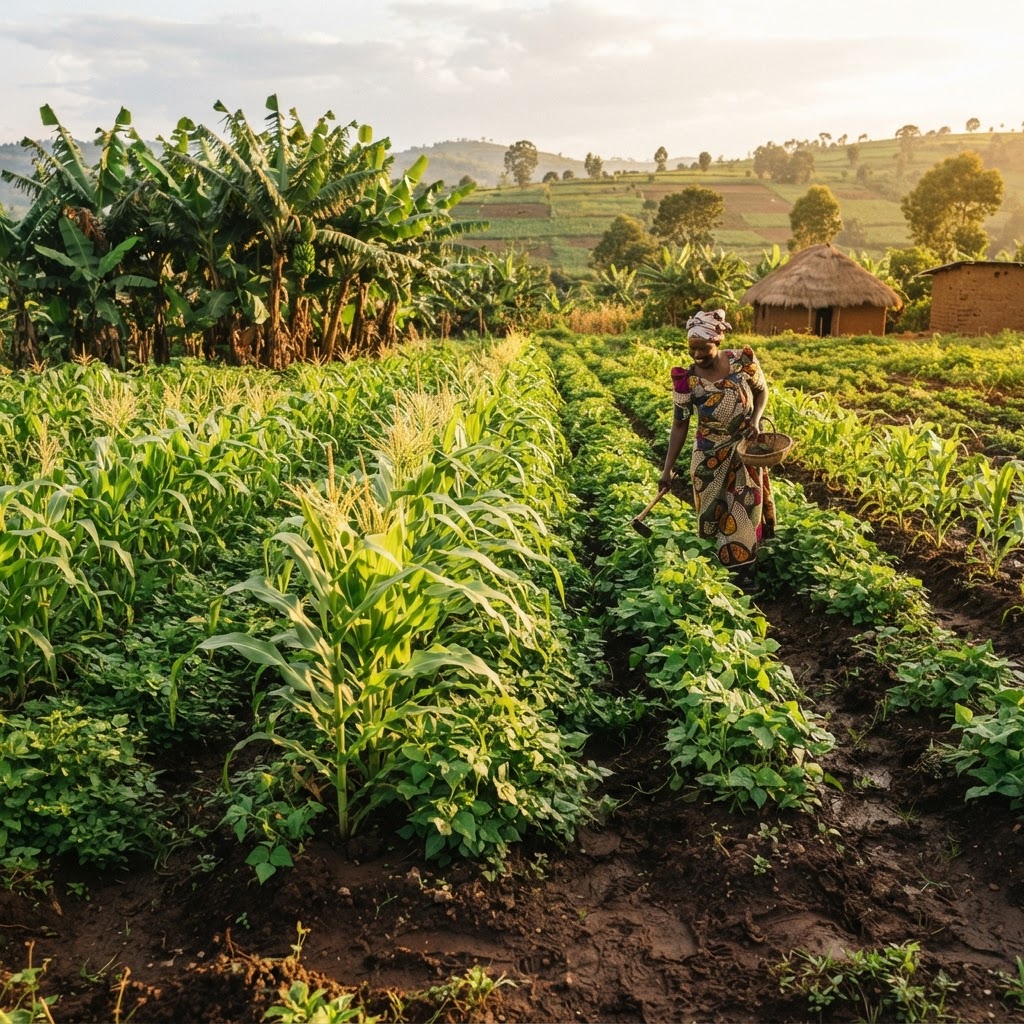
🌽Uganda Crop Production: 2025 Best Practices for Smallholder Success
Crop farming remains the backbone of Uganda's economy, providing essential food security and vital income for millions of smallholder households. Adopting climate-smart, research-backed practices is critical to overcoming soil depletion, erratic weather, and pest pressures to ensure sustainable livelihoods.
Test your soil for free
Snap a photo of your farm soil and get the soil type plus 5 recommended crops — free for 3 analyses.
Top best practices
- Conduct soil testing through NARO-accredited labs to determine specific nutrient requirements before planting.
- Adopt intercropping systems, such as coffee with beans or bananas, to maximize land use and mitigate the risk of total crop failure.
- Use certified, disease-resistant seeds and planting materials, such as the newly released NARITA 17 banana variety, to ensure higher yields.
- Implement timely weeding during the first 4-6 weeks of crop growth to prevent nutrient competition.
- Practice crop rotation with legumes to naturally fix nitrogen and break pest/disease cycles in the soil.
- Utilize proper spacing recommendations specific to your crop variety to optimize plant density and airflow.
- Adopt regenerative agriculture techniques, including mulching and minimal tillage, to improve soil moisture retention and structure.
Latest 2024-2025 trends
5 crops to watch in Uganda
Latest 2024–2025 outlook, planting times & organic disease control
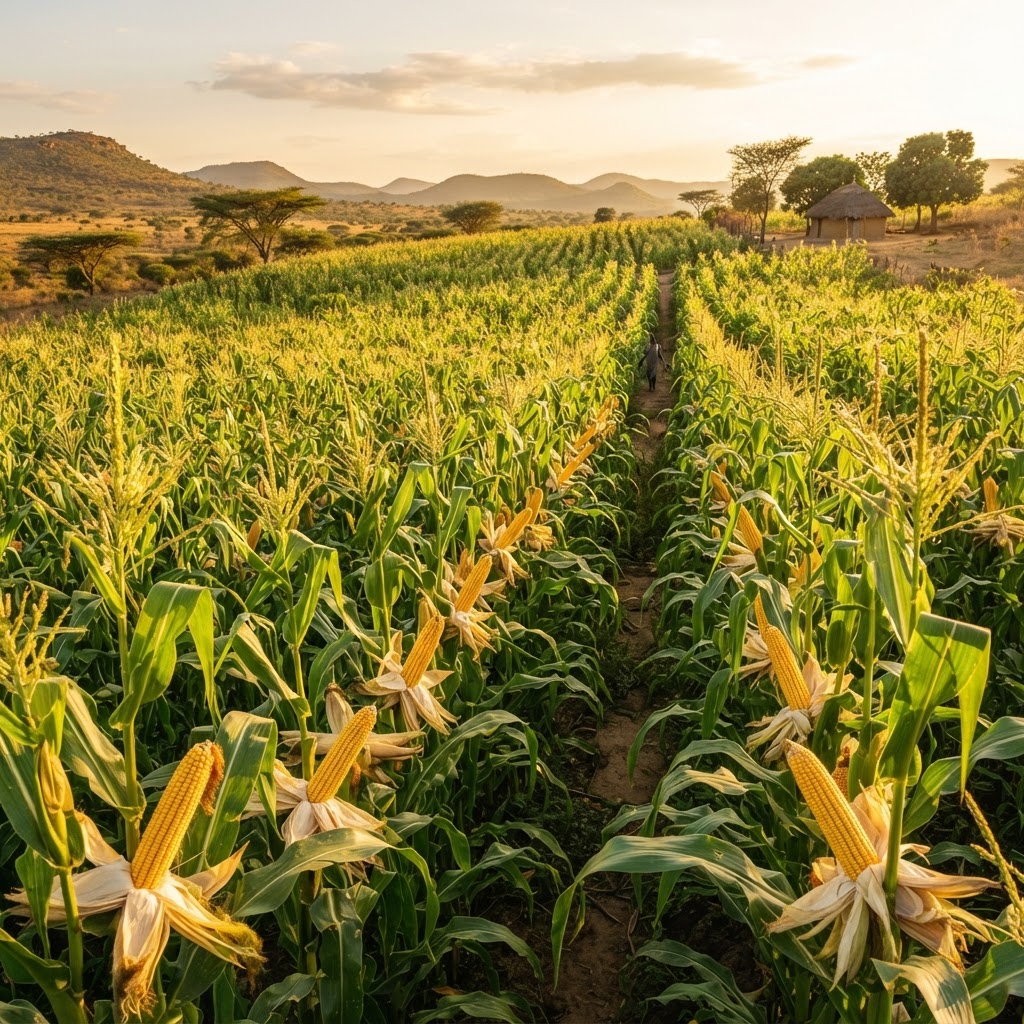
Maize
When to plantUganda's most-grown cereal and a cash driver for feed mills and breweries. The 2024–25 push is toward drought-tolerant hybrids (Longe 10H, WE2115) and climate-smart planting. Fall armyworm remains the top pest, so early scouting and push-pull intercropping are essential.
Maize Lethal Necrosis (MLN)
Remove and destroy infected plants immediately, plant MLN-tolerant hybrids, intercrop with desmodium to repel aphid vectors, and spray neem seed extract.
Turcicum Leaf Blight
Rotate with non-cereals, bury crop residues, plant resistant hybrids, and spray a neem + ginger-garlic extract every 7–10 days.
Common Smut
Cut and remove smut galls before they burst, rotate crops, and spray compost-tea + neem to suppress spore build-up.
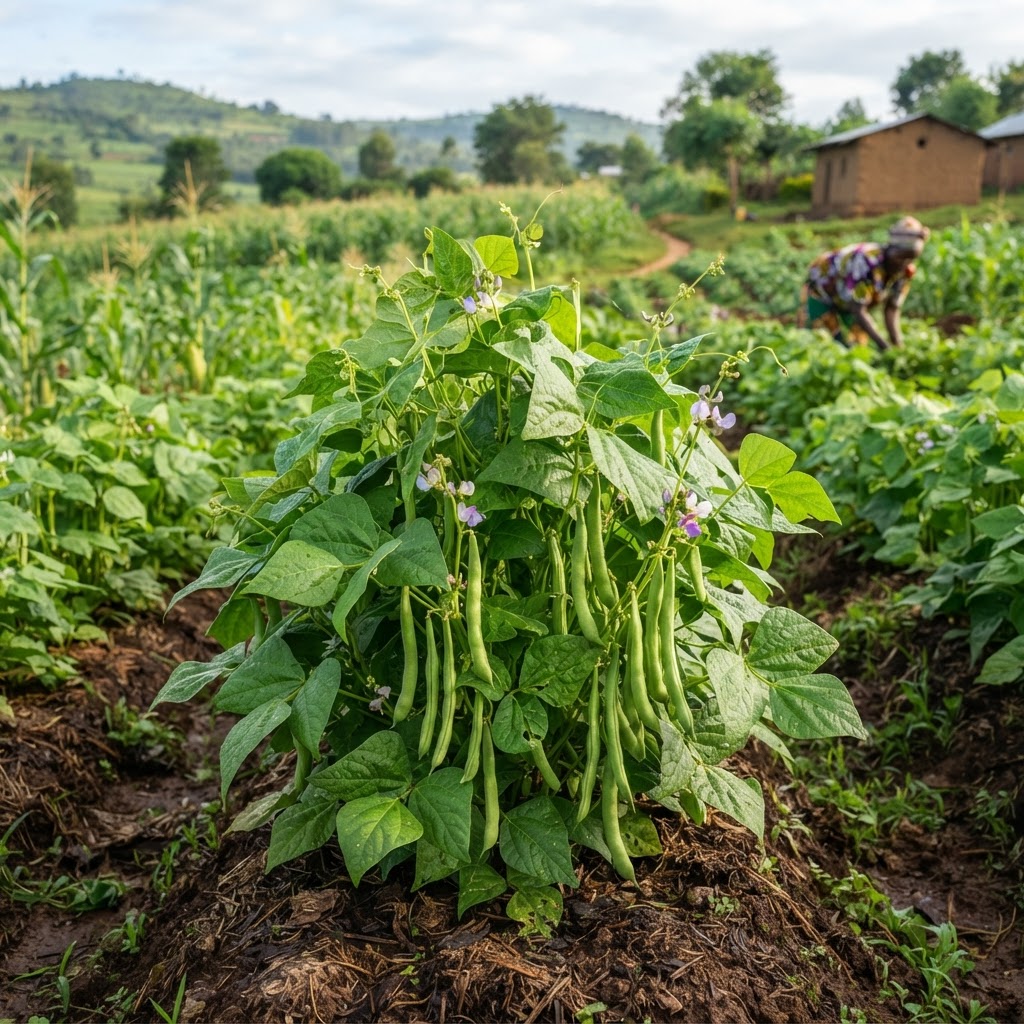
Beans
When to plantBeans are Uganda's top protein legume and a fast cash crop. NARO's NABE series (NABE 12–19) offers drought and disease resistance, while climbing beans are gaining ground for higher yields on small plots. Urban demand stays strong year-round.
Anthracnose
Use certified disease-free seed, rotate 2–3 years, and spray neem oil + baking soda (1 tsp/L); remove and burn infected debris.
Angular Leaf Spot
Avoid overhead watering, rotate crops, and spray a 1:9 milk-and-water solution or neem to slow fungal spread.
Bean Root Rot (Fusarium)
Treat seed with Trichoderma bio-fungicide, rotate with cereals, improve drainage, and feed soil with mature compost.
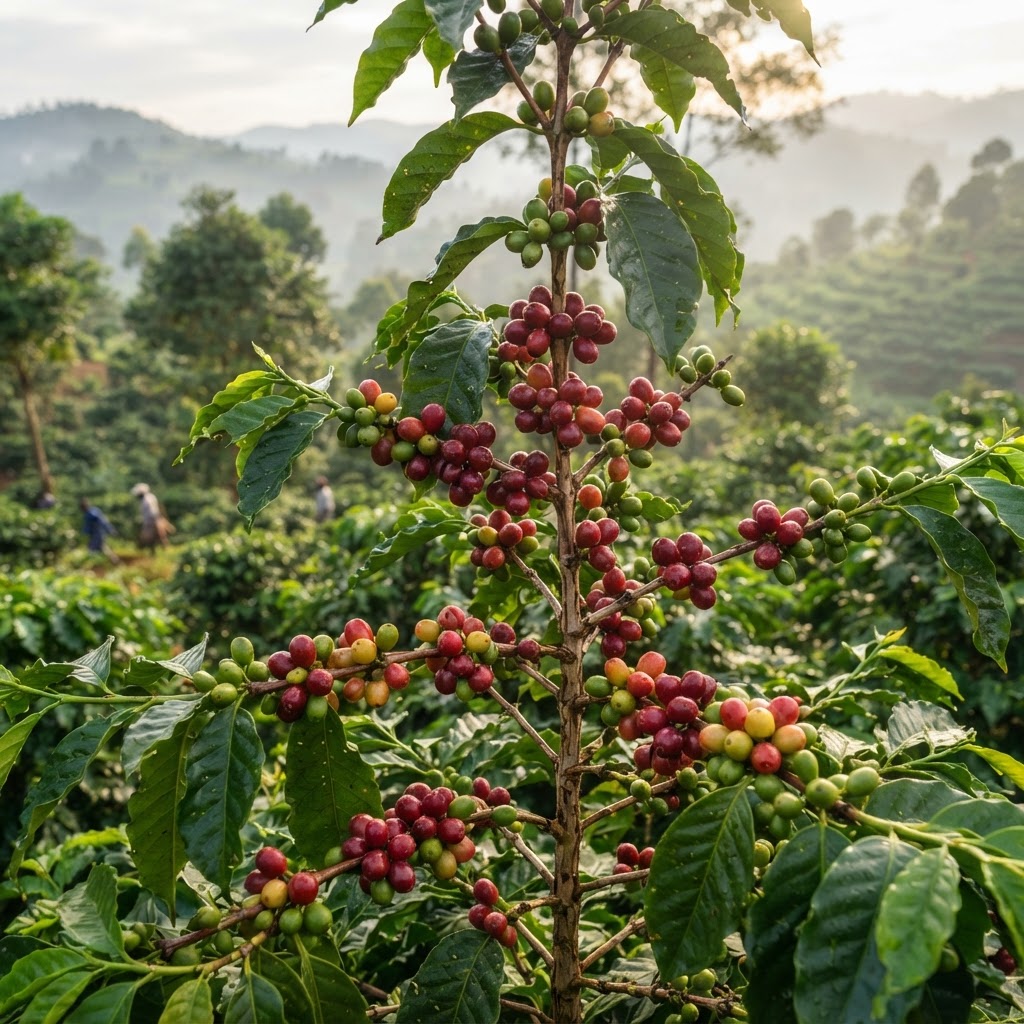
Coffee (Robusta)
When to plantUganda is Africa's largest Robusta exporter and coffee hit record FX earnings in 2024. Wilt-tolerant clonal lines (KR series) are widely promoted, and shade-grown, climate-smart systems are encouraged for quality and sustainability.
Coffee Wilt Disease (CWD)
Uproot and burn infected trees, plant resistant KR clones, disinfect all tools, and avoid wounding stems and roots.
Coffee Berry Disease (CBD)
Prune for aeration and shade balance, remove mummified berries, and spray neem + copper (organic copper) at early fruiting.
Coffee Leaf Rust
Plant resistant varieties, prune to open the canopy, and spray neem or organic copper; keep trees well-fed with compost.
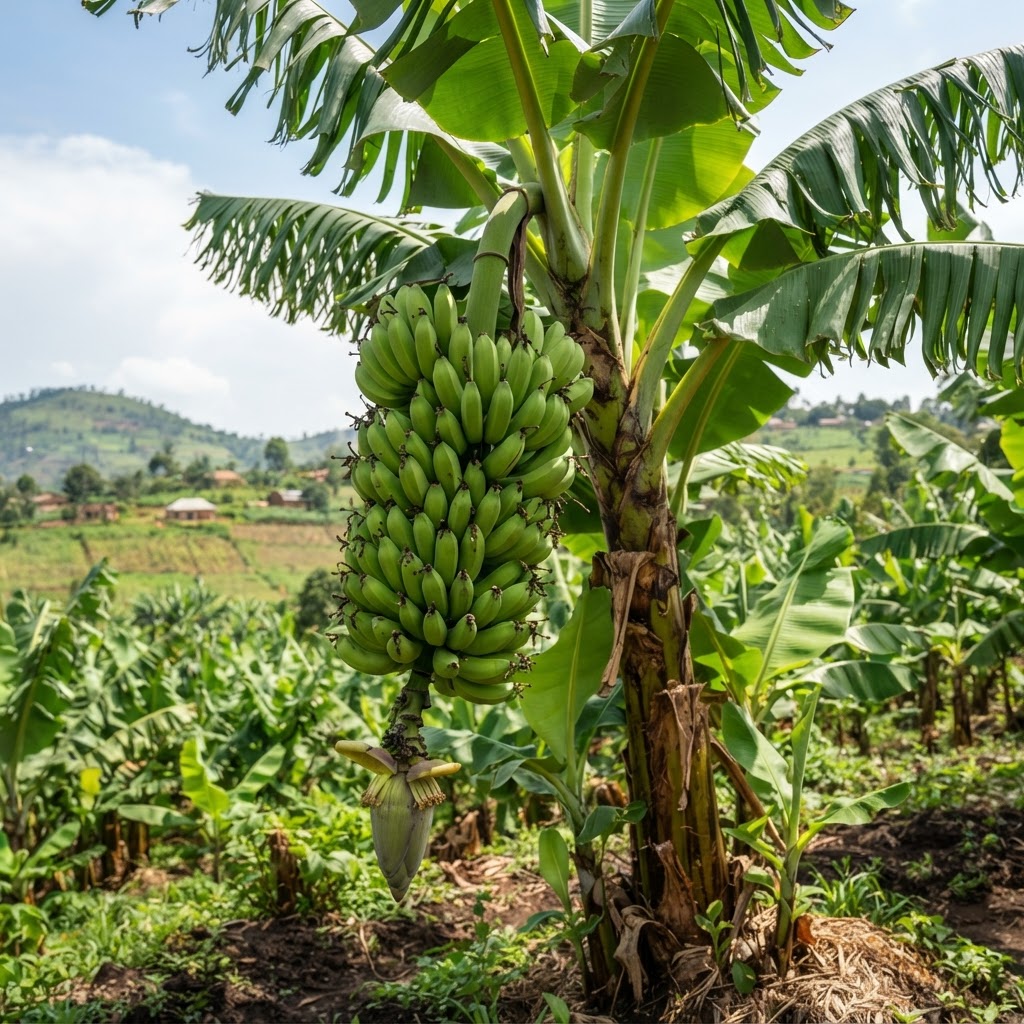
Bananas (Matooke)
When to plantUganda produces roughly 9 million tons a year — among the highest banana consumption per capita in the world. Highland cooking bananas (Matooke) anchor food security, while BXW is the single biggest threat. Tissue-culture clean planting material and good mat management are the 2024–25 focus.
Banana Xanthomonas Wilt (BXW)
De-bud (remove the male bud), destroy infected mats by burying/burning, sterilize tools with fire or Jik, and use clean planting material.
Black Sigatoka
Remove and destroy diseased leaves, plant resistant hybrids, mulch and improve drainage, and spray neem + baking soda.
Fusarium Wilt (Panama)
No cure — quarantine the mat, destroy infected plants, use resistant tissue-culture varieties, disinfect tools, and never move soil or suckers out.
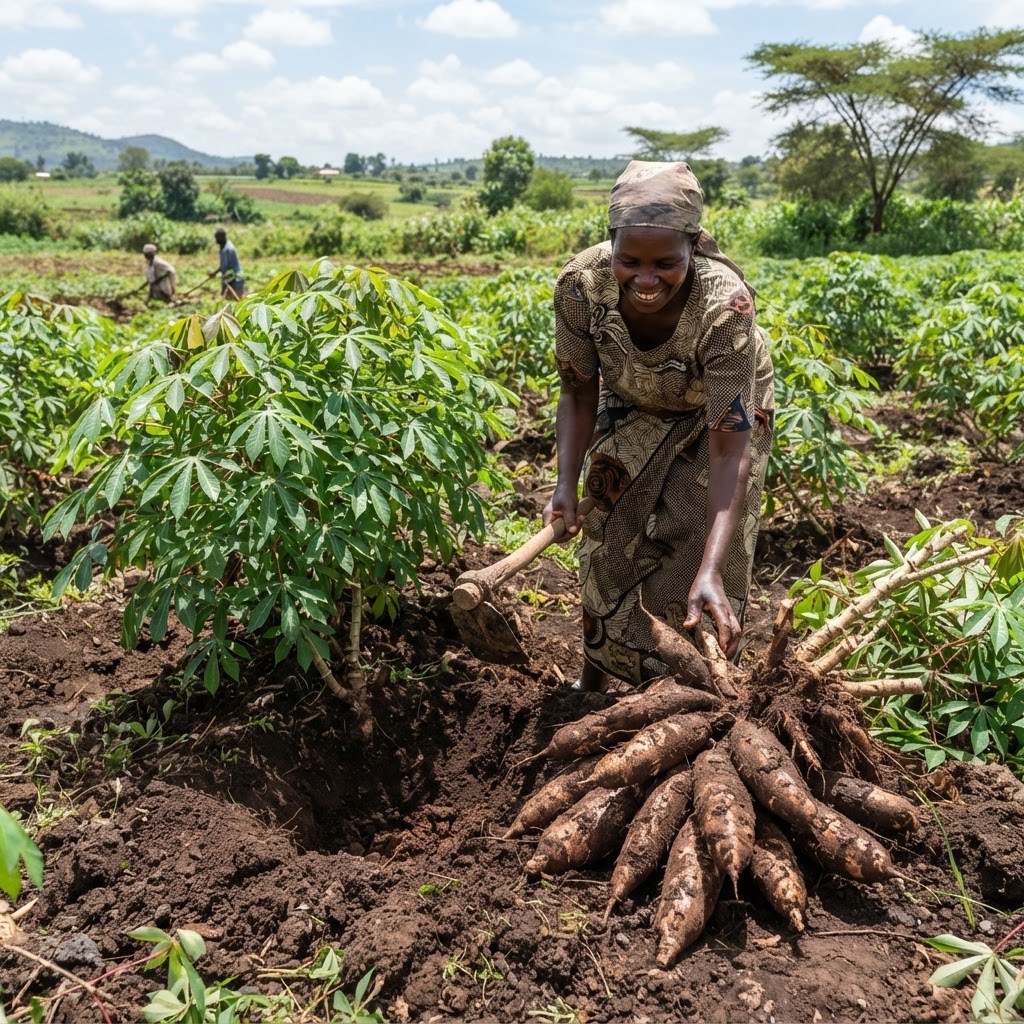
Cassava
When to plantCassava is Uganda's most drought-resilient food crop and a growing industrial starch and flour source. CBSD and CMD remain the major threats; NARO's NASE series (NASE 14, 19, 22) offers dual resistance and is the recommended planting material for 2024–25.
Cassava Mosaic Disease (CMD)
Plant CMD-resistant NASE varieties, use clean cuttings, rogue out infected plants early, and control whiteflies with neem.
Cassava Brown Streak Disease (CBSD)
Use resistant/tolerant varieties, remove infected plants, plant only clean cuttings, and suppress the whitefly vector with neem.
Cassava Bacterial Blight (CBB)
Rogue and burn infected plants, rotate crops, disinfect tools, avoid working wet fields, and intercrop to slow spread.
Practical guides
Feeding & nutrition
Prioritize organic matter through farmyard manure and compost to improve soil structure and water holding capacity. Supplement with site-specific inorganic fertilizers only after soil analysis, ensuring balanced application to avoid soil acidification and nutrient leaching.
Housing & handling
Prepare land early to capture initial rains, utilizing minimum tillage where possible to protect soil health. Ensure post-harvest storage facilities are clean, dry, and well-ventilated to prevent aflatoxin contamination in grains and groundnuts.
Health & disease
Monitor fields regularly for early signs of pests like banana weevils or diseases such as bacterial wilt and black Sigatoka. Use integrated pest management (IPM) strategies, including the removal of infected plant parts and the use of resistant varieties, to minimize reliance on chemical pesticides.
Breeding & genetics
Always source planting materials from certified NARO-affiliated suppliers to ensure genetic purity and disease resistance. Avoid recycling seeds from previous harvests that show signs of poor performance or disease susceptibility.
Market outlook
There is strong, growing demand for high-quality staples and cash crops like coffee and groundnuts in both local and regional markets. Farmers who focus on value addition and meeting quality standards for export or processing are seeing significantly better price stability.
Sources
Apply this on your farm today
Farm Dashboard turns these best practices into action — track your crops, record production and health, and see real profit numbers.
Monthly Farm Dashboard Newsletter
Get a monthly digest of what's happening across Farm Dashboard farms — best practices, common challenges and seasonal tips. No farm names, just practical insights for Ugandan & East African farmers.