
🐑Profitable Sheep Farming: A Practical Guide for Ugandan Smallholders
Sheep farming is a highly viable agribusiness in Uganda due to the animals' ability to convert forage into meat efficiently and their resilience in diverse climates. It offers smallholder farmers a reliable source of income, manure for soil fertility, and a quick return on investment compared to larger livestock.
Diagnose your animal for free
Snap a photo of droppings, discharge, blood or a wound for an instant AI health guide — free for 3 analyses.
Top best practices
- Select hardy local breeds like the Blackhead Persian or their crosses for better disease resistance.
- Implement a strict deworming and vaccination schedule to combat common internal parasites.
- Maintain clean, dry, and well-ventilated housing to prevent respiratory infections.
- Practice rotational grazing to maximize pasture quality and reduce parasite buildup.
- Ensure constant access to clean, fresh water to support growth and milk production.
- Keep detailed records of births, deaths, and medical treatments to track profitability.
Latest 2024-2025 trends
Caring for your sheep
Latest 2024–2025 guidance & organic disease control
Sheep
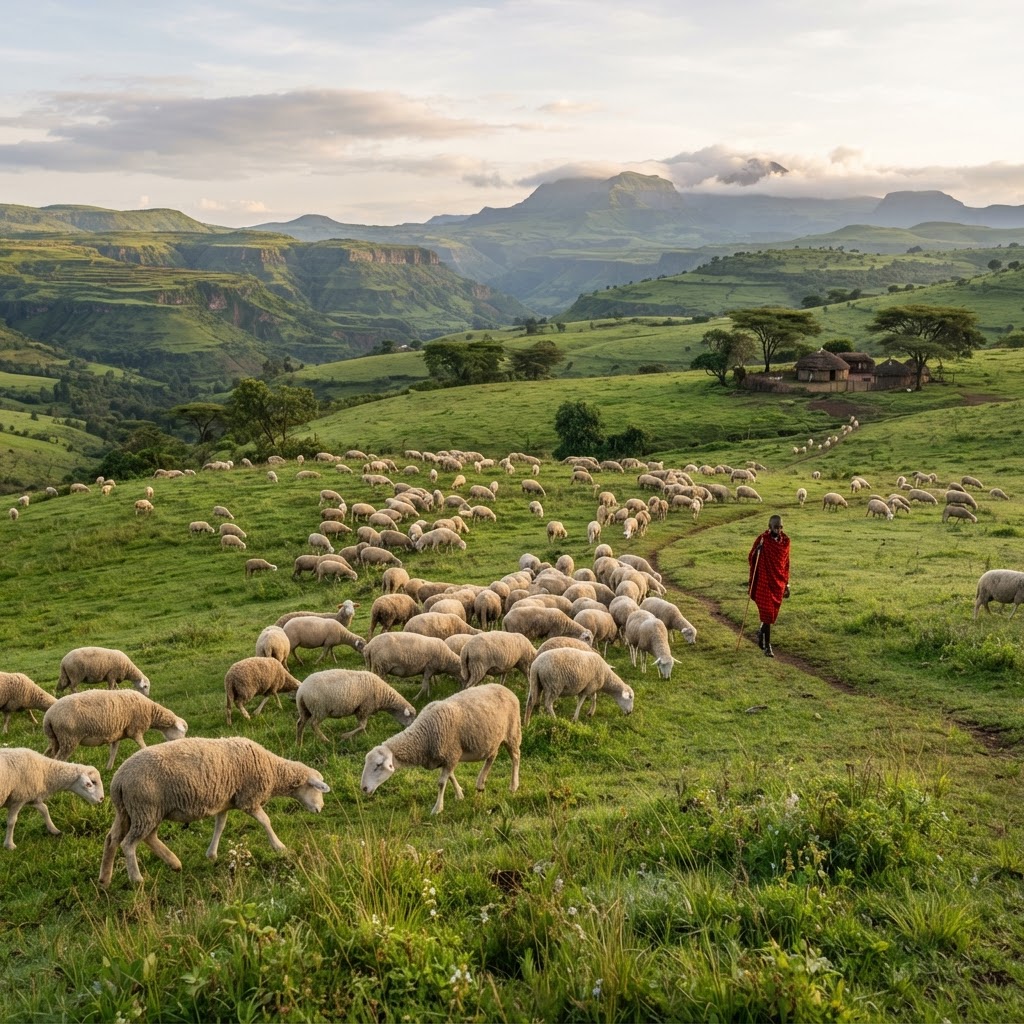
How to look afterSheep farming is on the rise in Uganda's cattle corridor and highlands, valued for meat, manure and the live-export trade. The 2024–25 focus is on hardy local breeds (Uganda Hair Sheep) crossed with Dorper or Red Maasai for faster growth and better disease resistance. Rotational grazing, strong parasite control, and clean lambing pens drive lamb survival and flock profitability.
Foot rot
Keep pastures and pens dry and well-drained, trim hooves regularly, and walk the flock through a footbath of a strong salt-and-ash solution. Isolate lame animals and feed a balanced mineral mix.
Haemonchosis (barber's pole worm)
Rotate grazing to break the worm cycle, avoid overstocking, deworm with a neem-seed drench or planted anthelmintic fodder (Leucaena, Sesbania), and condition-score regularly to catch infestations early.
Sheep pox
No cure — quarantine and vaccinate new stock, isolate and cull infected animals, burn and bury carcasses, and disinfect pens with lime or ash. Maintain good nutrition to support immunity.
Practical guides
Feeding & nutrition
Maximize the use of locally available forage such as elephant grass, Rhodes grass, and legumes like Desmodium. Supplement during the dry season with silage, hay, or crop residues like maize stover to maintain body condition.
Housing & handling
Construct raised, slatted-floor sheds to keep animals off damp ground and prevent foot rot. Ensure the structure has excellent cross-ventilation and a roof height of at least 6 feet to maintain a healthy environment.
Health & disease
Prioritize biosecurity by isolating new stock before introducing them to the flock and controlling ticks and worms. Common threats include Peste des Petits Ruminants (PPR) and foot rot, which can be managed through regular veterinary consultation and vaccination.
Breeding & genetics
Focus on selective breeding by keeping high-performing rams to improve flock genetics over time. Avoid inbreeding by introducing new, unrelated rams every two years to maintain vigor and growth rates.
Market outlook
There is a growing demand for mutton in urban centers and during festive seasons, providing a stable market for farmers. Prices remain competitive, especially for well-fed, healthy animals sold directly to butchers or through organized farmer groups.
Apply this on your farm today
Farm Dashboard turns these best practices into action — track your sheep, record production and health, and see real profit numbers.
Monthly Farm Dashboard Newsletter
Get a monthly digest of what's happening across Farm Dashboard farms — best practices, common challenges and seasonal tips. No farm names, just practical insights for Ugandan & East African farmers.